Undeniable Proof That You Need Door Handle Replacement


Door Handle Replacements - Fixing Wobbly Or Loose Handles
Door handle replacements can seem like a minor improvement task, but they can have a significant impact on the overall look of your home. They can be difficult to repair in the event that they have been damaged.
Follow these simple steps to resolve these issues. First, ensure that your door handle is designed to be compatible with the existing latch size and keyway.
Poor Locking
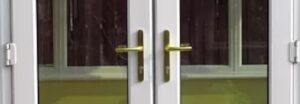
Over time, the screws that hold door handles and locks may loosen. This can make the handle difficult to turn or jiggly, and it could also let it fall off completely. It's easy to ignore a door handle that is shaky or one that is loose, but it's crucial not to. mile-end upvc door handle repairs 's a sign that your lock may fail, which is an alarming security risk.
It could be caused by dirt or grime in the lock mechanism. In such cases, you can try squirting some lubricant in the door knob to make it turn easier. If this fails, you'll have to remove the door handle and scrub the components more thoroughly. You can use a mix of water and ammonia to remove any built-up grease or dirt.
Another possible issue is the tubular latch inside the door handle. This can cause the door to jam or won't close correctly, and it might not latch properly when closed.
If this happens, you'll need to bang the door several times to close it or manually latch the hooks in the lock to lock the doors. If this happens frequently it's a sign that the latch or other components of the handle are starting to wear out and require replacement.
Modern uPVC door designs are made to be in line with the surface of the door, concealing any fixings and screws for more aesthetics. However, if these handles aren't properly fitted or aren't aligned correctly with the lock mechanism, they could not be in the right position and may become unwieldy or difficult to use.
Installing door handles that fit the style and construction of your home will assist in preventing this. Verify that the hardware installed on your door is compatible with your home's model, year and make. If it isn't, you can use a tool like a screwdriver to tighten the handles. If this doesn't work, you should call a professional locksmith.
Stiff or Frozen Locking Mechanism
Door handles are used every day, but they often take a beating, this can cause them to loosen over time. It can be very annoying and should the handle not be fixed, it could stop working altogether. In this instance, you will need to replace it in order to ensure your home is secure. The good news is that replacing the knob or handle of a door is a relatively simple task that can be completed in less than two minutes if you follow the instructions included with your purchase.
The most common reason that the door handle ceases to function is due to it becoming stiff or frozen because of a problem in the locking mechanism. This can be caused by various reasons like wear and tear or an incorrect installation, or lack of maintenance. It is important to keep in your mind that the lock is a distinct element from the door handle and if this becomes damaged, it will require replacement completely.
The most popular method to fix an unsteady lock is to apply some graphite or other oil lubricant to the bolts in the latch system. This will allow the mechanism to move more easily and is typically done with an ordinary screwdriver. If the problem persists it is recommended to consult a locksmith and have the lock cleaned or replaced.
Another common reason for the door handle to become stiff or frozen is that there is a problem with the tubular latch itself. It is easy to determine this by opening the door to ensure that the plate of the tubular latch is free of obvious obstructions, such as loose screws or signs of internal parts protruding. Test the handles by turning them to check whether they are turning smoothly.
If this isn't causing the issue, then you may need to remove the detent pin in order to loosen the handle. You can do this by loosening a ring at the base of the handle using a flathead driver and pressing the pin's metallic surface to let it go. The handle can be removed by slipping it away from the spindle shaft.
Loss of Traction
Many people don't think about the handles on their doors, but they are among the most vital components of the doors in your car. It is possible to replace worn or damaged pieces with new ones to give them a better appearance or to improve their functionality. It's best to consult your mechanic before you purchase any replacements. They can provide you with guidelines on how to find the appropriate handles for your vehicle.
The majority of door handle sets in the home make use of a screw-style axle (called a spindle) that has flat sides where the knob is attached to it with a set screw. Certain kinds of handles are able to slide directly onto the spindle, while others are attached by screws or other mechanisms that join them to the door or frame. In either scenario, the screws could become loose over time, causing the handles slip off the spindle. This issue can be corrected by replacing or adjusting the set screw, so it's a good idea keep a few of them on hand.
You can also look for sets of handles that are more comfortable to grasp and operate. Certain styles are designed differently and come with features that make them more convenient for different users, such as thumb grips or trigger handles that allow children or older people to open the doors easily. There are even handles made of metal or plastic to better withstand wear and tear and prevent the rusting.
Don't forget to put a finish on the door handle. A lot of them are designed to match other interior components like lighting fixtures and faucets So it's an ideal idea to select a handle that matches the overall design of your vehicle.
It's simple to replace the door handles on your car. Once you've removed the old ones, unplug any locking mechanisms or wires and then put in the new handles following your car's instructions. After you've secured everything, check the door to ensure it locks and closes correctly.
Stripped Screws
Sometimes, door handles become wobbly or loose because the screws that attach them to the frame or door are stripped. These screw holes could be stripped from overscrewing, working too fast, or just normal expansion and contraction of wood. There are several ways to repair stripped screw holes and prevent the handle from slipping off or needing replacement.
One method to deal with a screw that has been stripped is to use a screw extractor kit. These kits contain a drill bit that has two ends. One end is equipped with a cutting head that cuts the damaged metal from the screw's head and the other end has an removal head that pierces into the screw and pulls it out. They're relatively inexpensive and worth keeping in your tool kit for this type of issue.
Making a small hole in the head of a stripped screw can be another method to fix it. This allows a screwdriver to get more traction and grip on the screw, making it easier to unscrew. This method is only applicable to screws made of metal However, it's recommended to use it as a last option.
You can also make use of a rubber band to assist in placing a screwdriver into the screw head that has been stripped. The rubber might fill in the gaps and give the screwdriver more traction however, it's not always foolproof. You can also use a hammer and tap the screwdriver into the screw that has been stripped. This will allow you to position the screwdriver and give you more grip.
If the screw is made of a soft metal you can grab it with locking pliers. These pliers can be adjusted to clamp and lock around a screw's shank. This gives you more surface area to grasp the screw and twist it loose.
It is possible to repair a stripped screw hole in the wood by using an additional screw that is bigger than the original. These longer screws will reach the wood and stabilize the hinge. In the event of a failure the door may be pulled off its hinges. You can also use liquid stripped thread repair or the tap and die set to create new screws in the screw holes.